



Publicity Today

For immediate release · The press room

Who's making the noise, and why it works.

How publicity actually works: campaign craft, media relations, measurement and the ethics of the trade, explained in 210 evergreen reads. Plus two desk tools you can use right now.

On the record
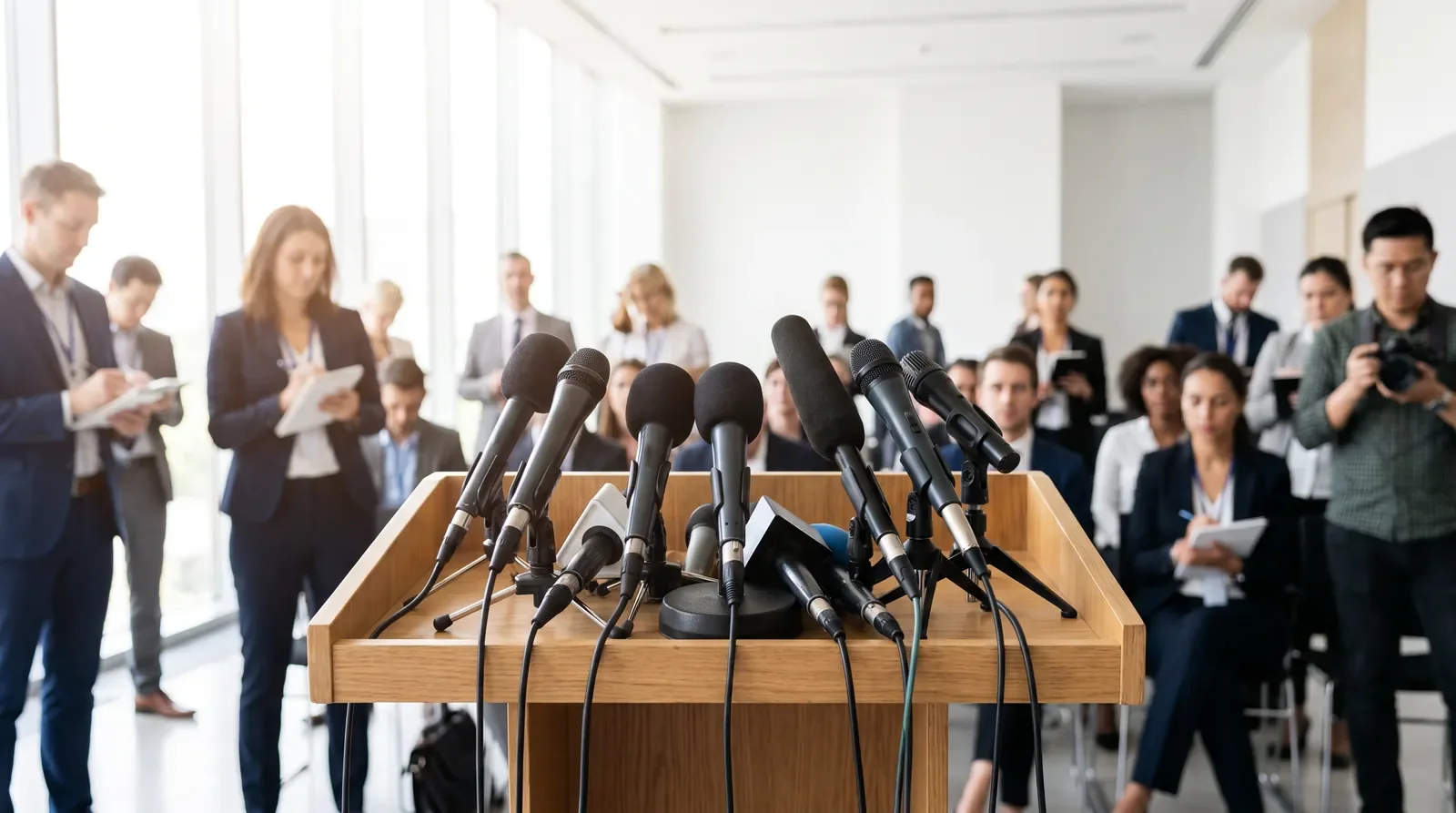
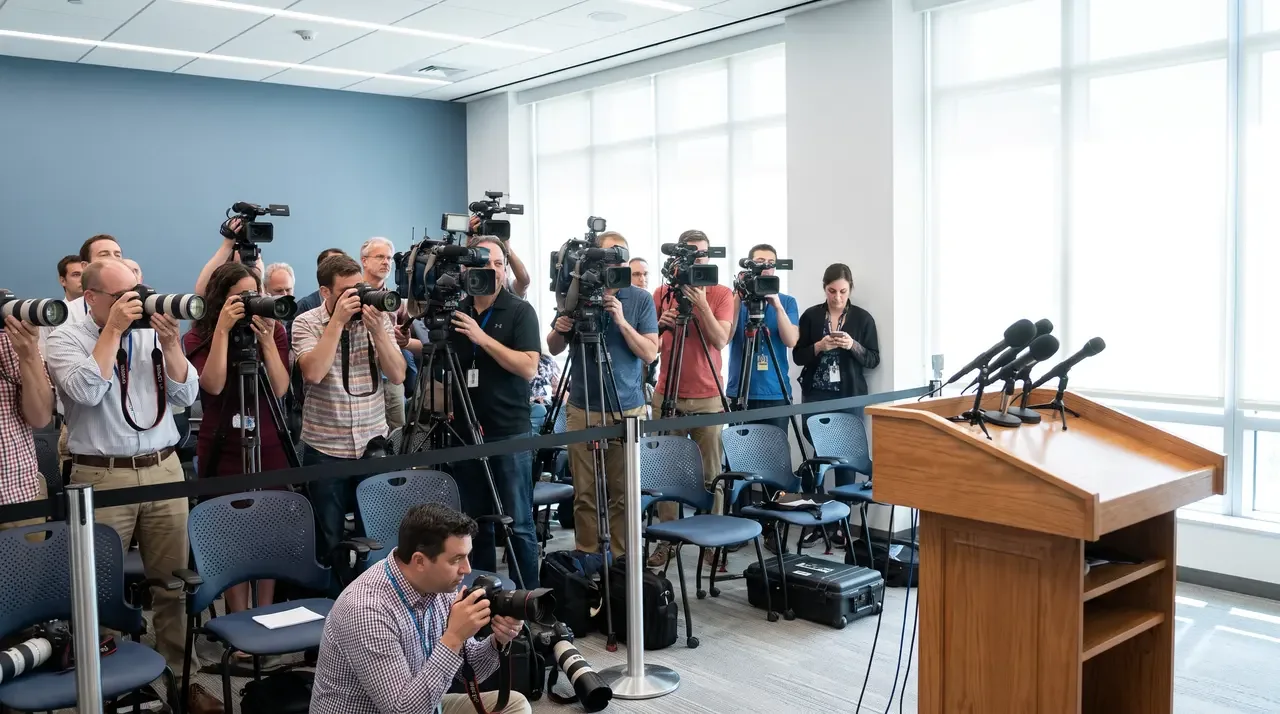
Television cameras and photographers lined up facing an empty podium in a briefing room
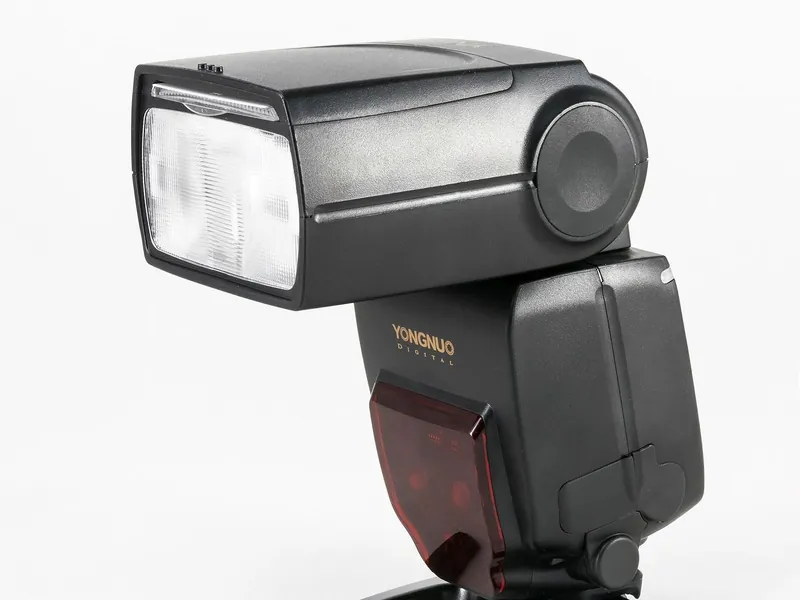
The briefing room. Click for a flash.

01 · Release builder

Build a release. See its structure.

A press release has a shape that news desks expect. Fill in the parts on the left and the sheet on the right sets them in the order an editor reads them, most important first. It is a structure guide, not a writing service: nothing you type leaves this page.

What kind of announcement?

  1. Tells the desk when the story may run. Most releases are for immediate release; an embargo asks journalists to hold it until a stated time.

  2. The news in one plain line, written as a fact rather than a slogan.

  3. One sentence that adds the most useful detail the headline could not carry.

  4. City and date, then a lead that answers who, what, when, where and why. If an editor cut everything else, this paragraph should still stand.

  5. The facts that back the lead, in falling order of importance. Short paragraphs; figures only where you can name the source. Leave a blank line between paragraphs.

  6. One quote that adds opinion or meaning, not a repeat of the facts. It must be something the person actually said or approved.

  7. A link, an event detail, or how to get images and interviews.

  8. The standard paragraph about the organisation that sits after the end mark. The same words every time.

  9. A named person, with an email and a phone number that someone actually answers.

Inverted pyramid: the release fills from the most important layer down Lead Detail Colour Notes

0 of 4 layers in place

  • Release line: for immediate release.
  • Headline: state the news as one plain line.
  • Lead: who, what, when, where and why, first.
  • Quote: optional, but it must be real and approved.
  • Boilerplate: one standard paragraph, under about 100 words.
  • Media contact: a named person with an email or phone.
  • Jargon watch: nothing flagged.

Guidance only. Word ranges are newsroom rules of thumb, not requirements, and every outlet has its own style. Your draft is kept in this browser so it survives a reload; Clear removes it.

Close view of hands typing on a laptop keyboard
Draft, cut, check, send

02 · On the page

Write it for a reader in a hurry.

  1. Facts before flourish

    The first two lines carry the news. If an editor cuts from the bottom, nothing that matters should be lost.

  2. One release, one story

    Two announcements in one release usually means neither runs. Split them, or pick the one a reader needs.

  3. Every claim can be checked

    Figures carry a source, quotes are real and approved, and anything a journalist might verify is easy to find.

03 · Media kit checklist

Pack the kit before you pitch.

A journalist who says yes will want material quickly. Tick off what you already have; the press pass fills as you go and stamps itself when the essentials are packed. Open any item to see why it matters.

Media kitPress pass
0of 18 packed
Core
Visuals
People
Context
Rules

0 of 6 essentials packed

A row of photographers raising cameras with flashes firing

The essentials0 / 4

Why it matters

Journalists check names, dates and figures against it. One page means it gets read, and it saves answering the same questions by phone.

Why it matters

The same short description everywhere stops each outlet writing its own version of who you are.

Why it matters

Only the signed off version goes in the kit. Earlier drafts in circulation make quotes and figures drift.

Why it matters

Deadlines do not wait for a general inbox. A person who answers is often the difference between being included and left out.

Visuals0 / 4

Why it matters

Designers need a version that works on light and dark backgrounds, in vector and in PNG, without asking.

Why it matters

Picture desks need the image, the caption and the credit together. A photo with no credit line often cannot be used at all.

Why it matters

Current, well lit and cleared for editorial use. An old photo becomes the one that keeps running.

Why it matters

Broadcast and online desks can build a story around usable footage. Label each clip with what it shows and how long it runs.

People0 / 3

Why it matters

A two line version for captions and a paragraph for features, both checked by the person they describe.

Why it matters

Matching the question to the right spokesperson saves a round trip and gives the journalist a better interview.

Why it matters

Windows for interviews, stated in the journalist's time zone, turn a maybe into a booking.

Context0 / 3

Why it matters

Gives a feature writer depth without needing a long call, and keeps the history accurate.

Why it matters

Every figure a journalist might repeat should point to where it came from. Unsourced numbers are the first thing an editor cuts.

Why it matters

Including the awkward ones. Writing them down first shows where the story is weak before a journalist finds it.

Rules of use0 / 4

Why it matters

A clear time, date and time zone at the top of every embargoed file. Ambiguity is how embargoes get broken by accident.

Why it matters

Say what each image may be used for and how it must be credited, so nobody has to guess.

Why it matters

Helps outlets publish accessibly, and gives a quick written summary of what each asset shows.

Why it matters

When material is updated, a date makes it obvious which version is current.

05 · On the spike

Worth reading first.

Six pieces from the library that most often answer the question someone is about to ask. See all 210.